Various Cornish goodies
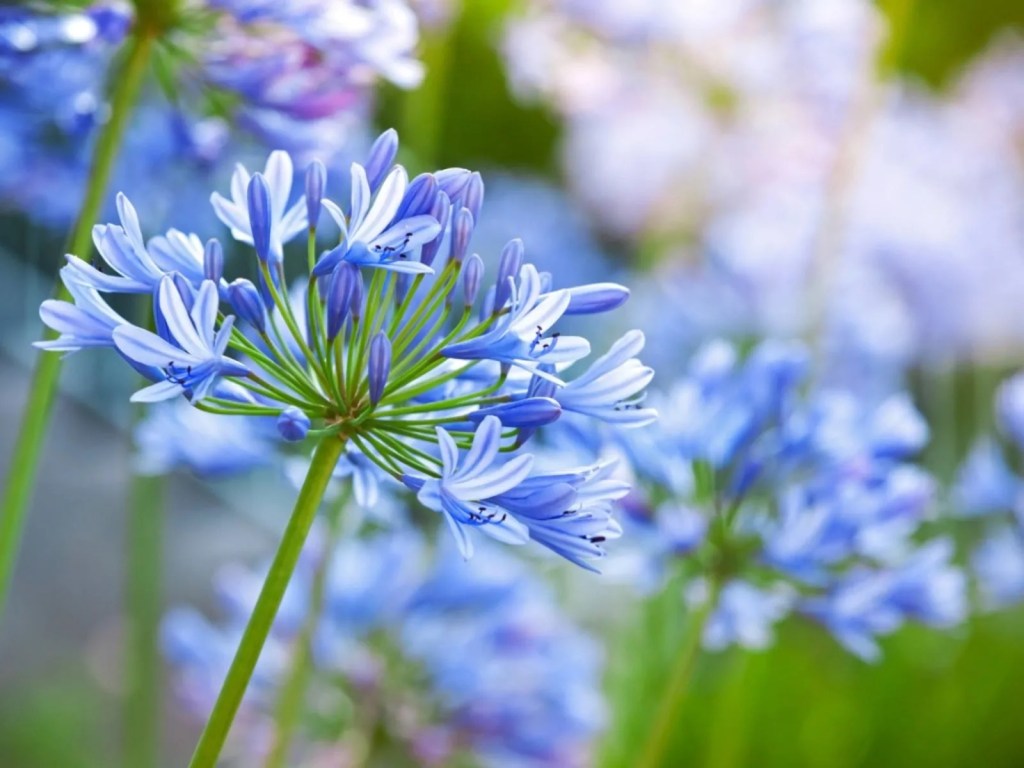
Agapanthus africanus (umbellatus)
This is a small delicate variety with graceful, long stemmed blue blooms. Accentuating your garden with their striking architectural presence.
This evergreen perennial comes from the rocky sandstone slopes of the Cape peninsula to Swellendam in South Africa. Not fully frost hardy, grows to approximately 1m high and 2m wide if planted in the ground, or pot size and can live up to 75 years.
———————————————
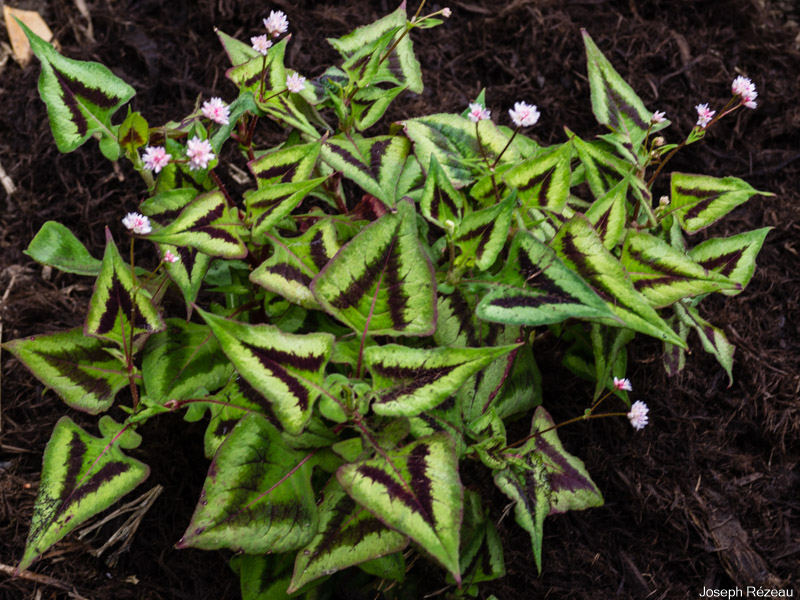
Persicaria runcinata ‘Purple Fantasy’
This colourful deciduous perennial has the most amazing green triangular leaves marked with purple and mint green chevrons with small clusters of pink flowers in summer. An exotic but hardy plant, great for ground cover and in shady areas can also tolerate some sun throughout the day as long as the soil is kept moist. If it threatens to get too big give a severe haircut as it won’t mind in the slightest.
———————————————
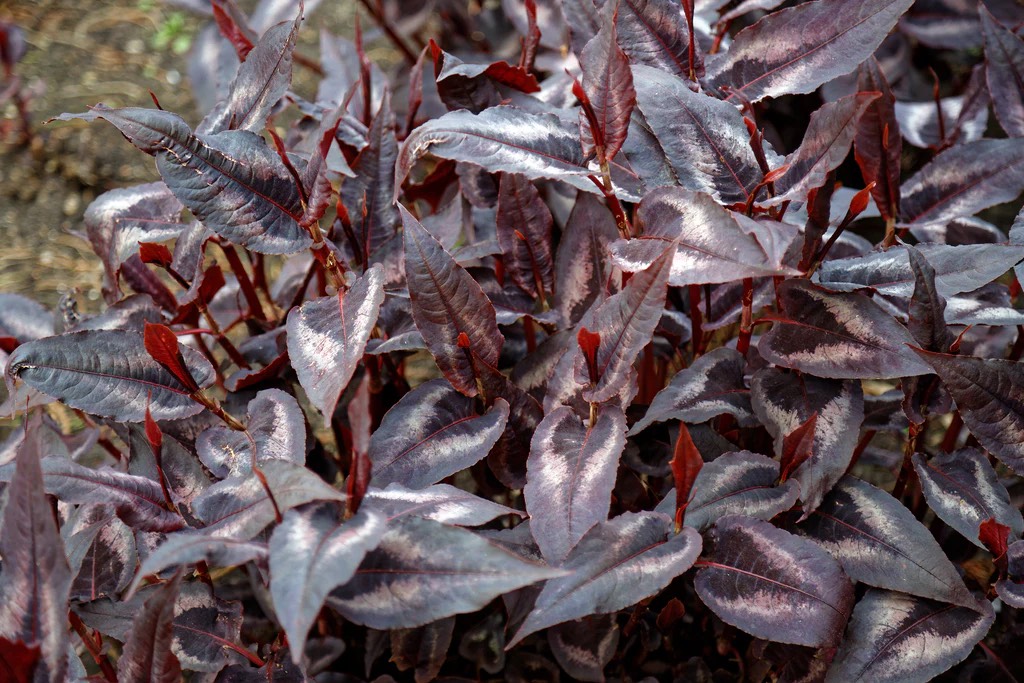
Persicaria microcephala ‘Red Dragon”
A vigorous, impressive, deciduous, perennial with bright lance shaped purple-green leaves with a bold central splash of purple and then bordered with silver chevron markings. Although vigorous this Persicaria will not spread and prefers partial shade especially in the hottest part of the day. Ideal for jungle planting scheme, but can find its place in most types of gardens.
———————————————
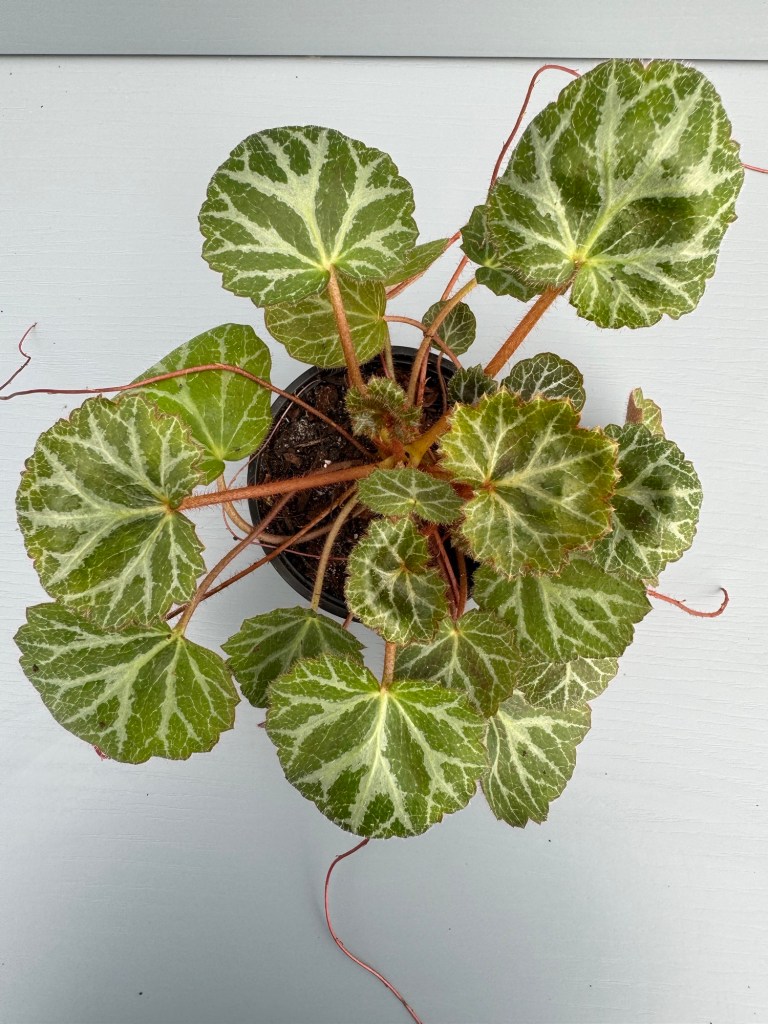
Saxifrage stolonifera
Also known as the strawberry begonia this beautiful creeping Saxifrage is a perennial native to Japan, Korea and China. Leaves are dark green with silver markings and heart shaped, with red undersides. It produces long thin runners which is ideal for ground cover, but also lends itself to hanging baskets.This perennial prefers bright indirect light and can even tolerate low light , as well as damp conditions. With this plant being so flexible in its needs it can grow happily inside as well as out. Can be prone to green fly if not given enough ventilation.
———————————————
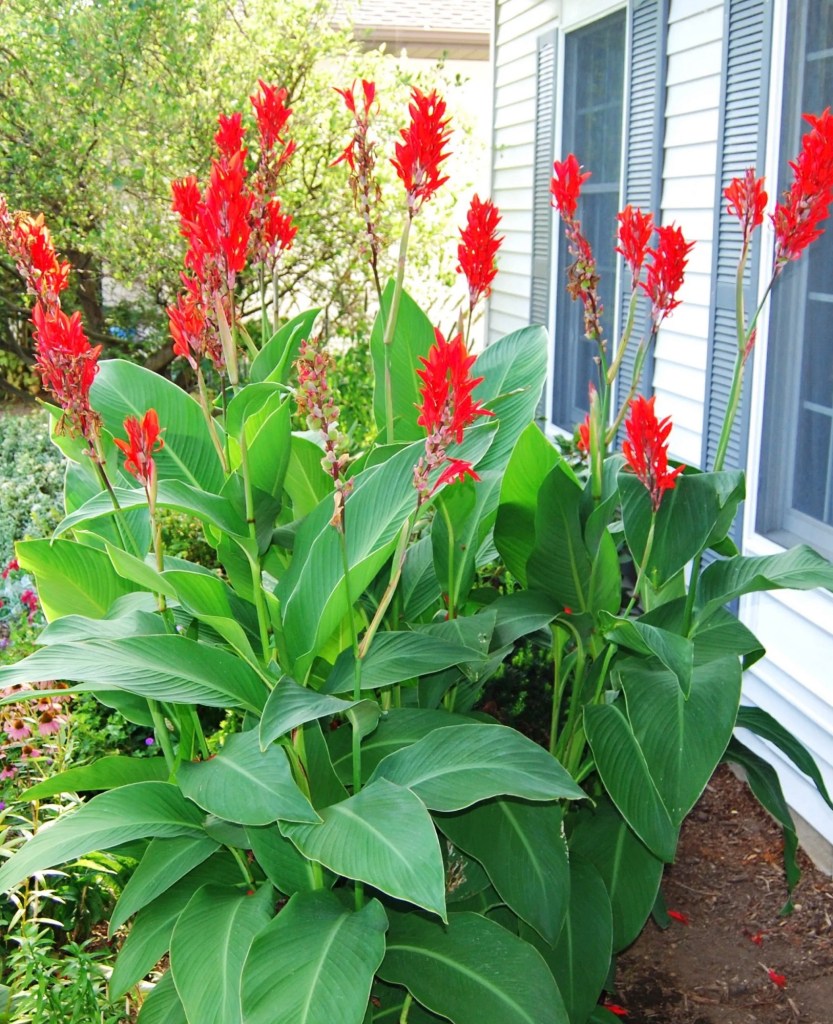
Canna lily
This particular variety is a vibrant perennial that produces bold tropical foliage and striking flowers of flame red. In southern areas of the UK if cut back and mulched in winter can stay outside. Can grow up to heights of 1.8m and 1m wide. Canna are low maintenance and produce long lasting foliage and flowers throughout the summer and autumn.It can tolerate extensive periods of heat, loving full sun and well drained soil. I find the best position is an area in the garden that has some shade in the afternoon. Cannas originate from the Peruvian coast of South America.
———————————————
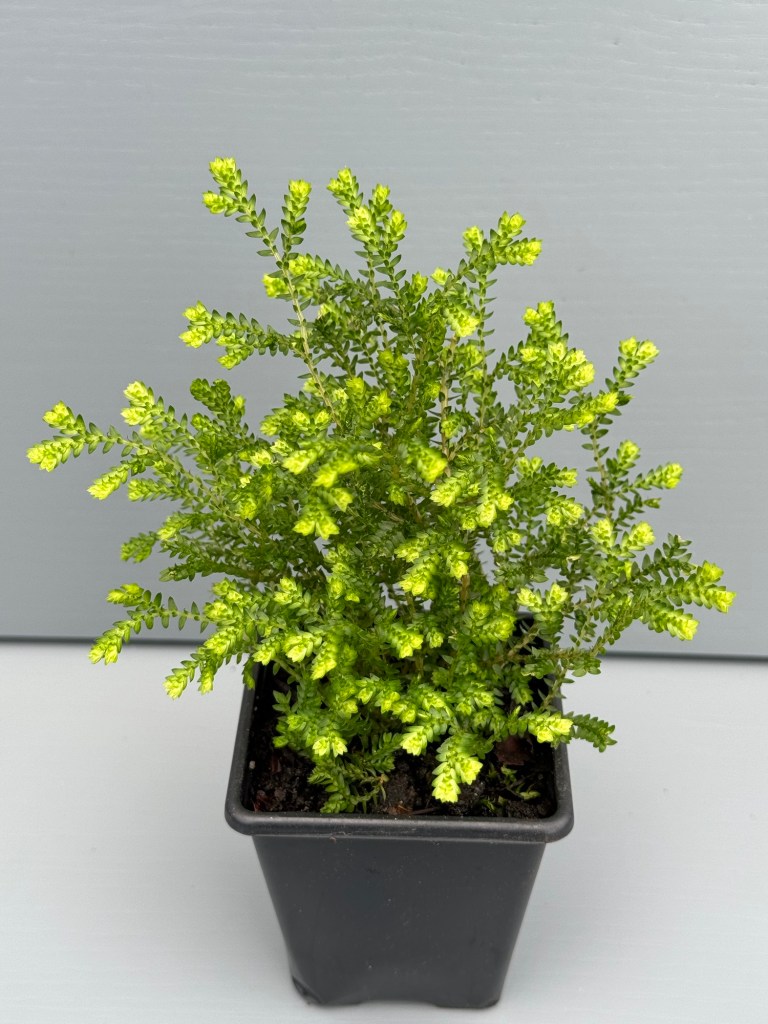
Selaginella kraussiana
Also known as Irish moss, even though Native to Africa, this spikemoss is a cousin to the true fern. It is a long growing, mat forming vascular plant, unlike other mosses, as it has a more traditional root system. It prefers shade, rich moist to wet soils and is ideal for rock gardens and under canopies, as well as tolerating foot traffic, along with being resistant to rabbit browsing. This small understated plant is so versatile as it can also thrive as a house plant it terrariums where the humidity is high as well as bathrooms. But in both inside and outside environments keep out of direct sun or foliage will scorch, or will go brown if the air is too dry.
———————————————
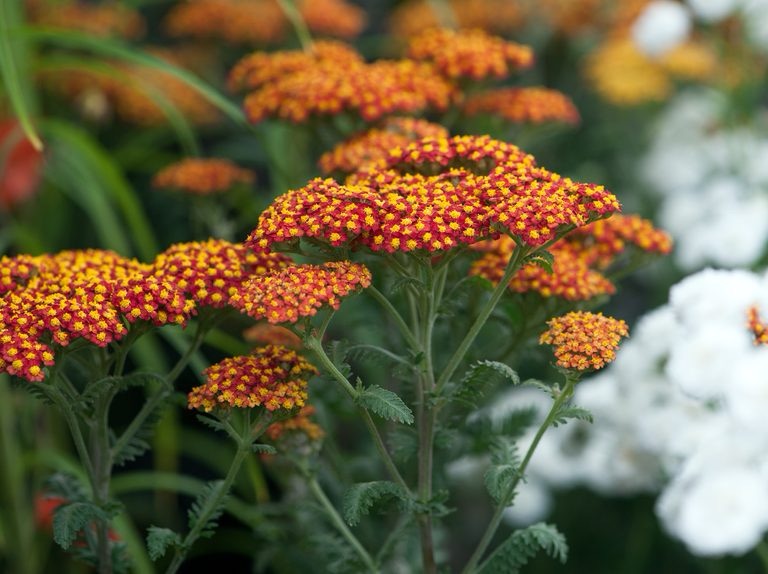
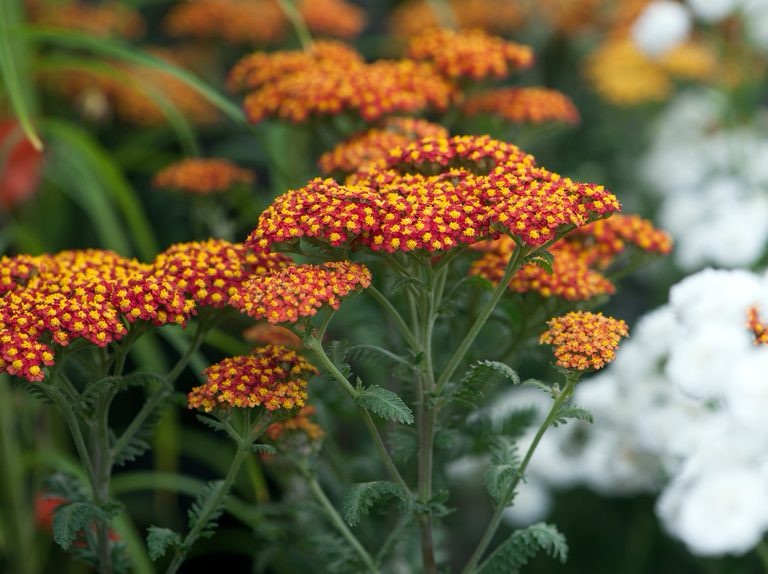
Achillea ‘Walther Funcke’
An ideal back border plant. This slug proof yarrow has clusters of small yellow-red flowers which are high in nectar/pollen between June and September, which attract bees and other beneficial insects. Hardy to -10 Achillea shows new growth in spring and thrives in sun to partial shade, also is draught tolerant.
———————————————
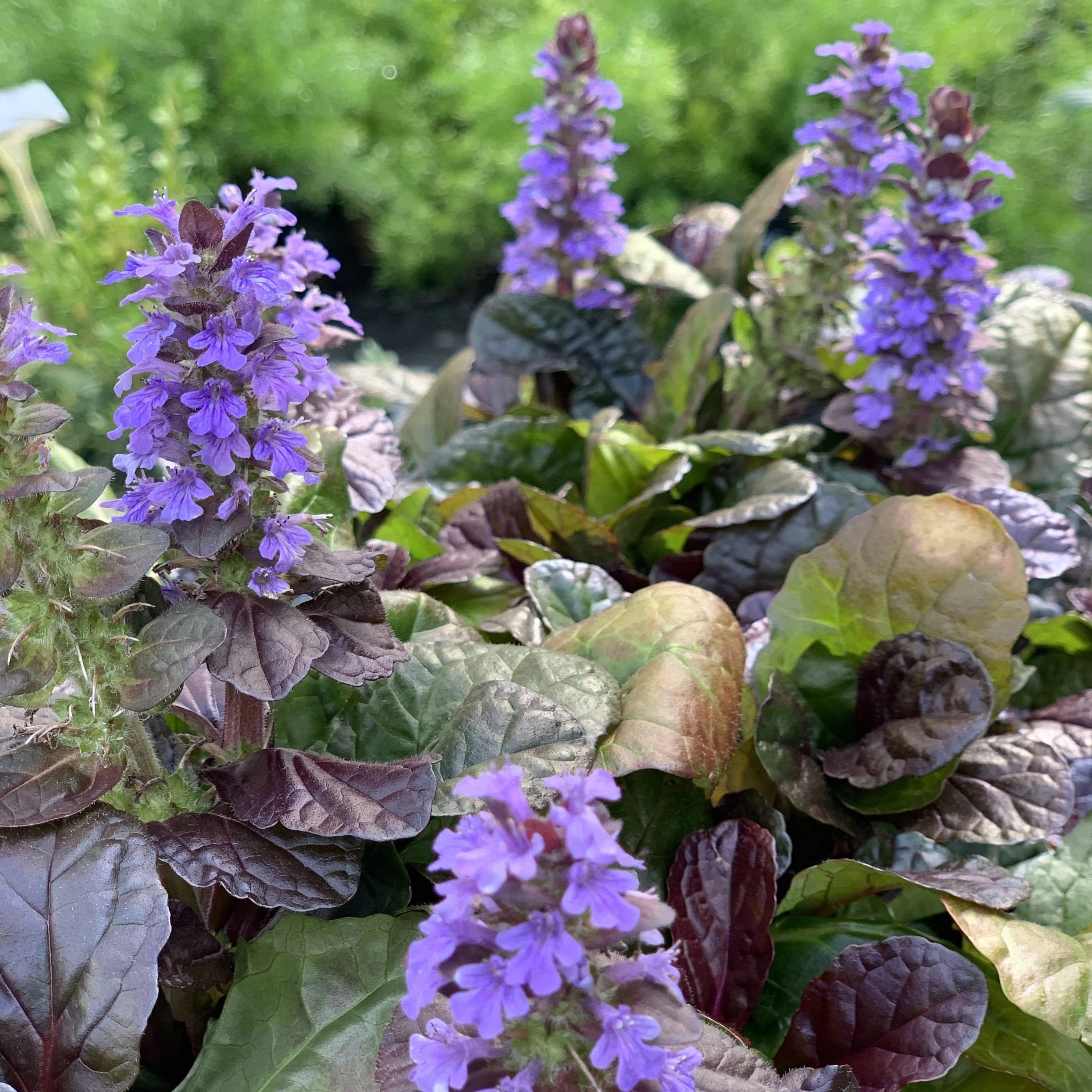
Ajuga reptan (Purple Bugle)
An attractive plant with bronze-purple foliage which is topped off with small, densely packed upright spires of deep blue flowers in spring. It knits together to form a tight evergreen carpet, excellent ground cover for shady borders. It can also tolerate sun and poor soils
———————————————
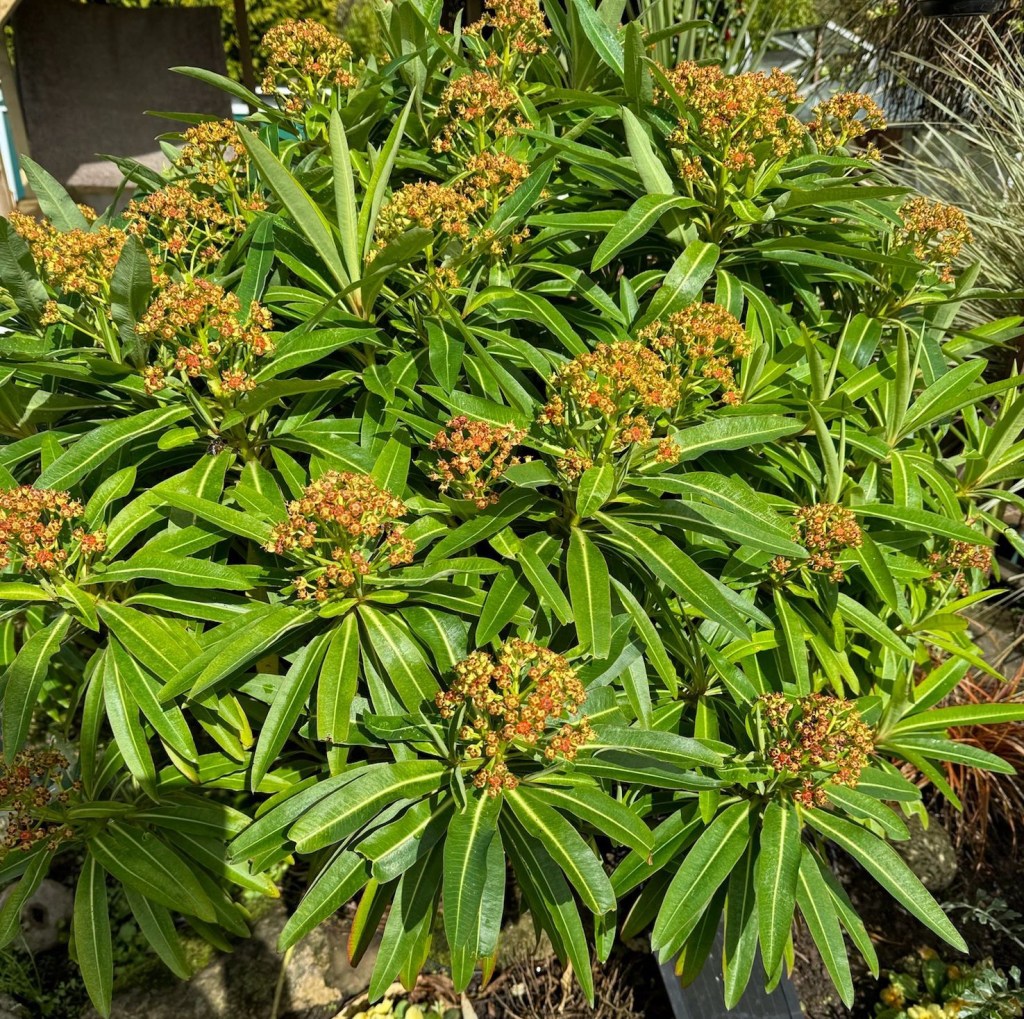
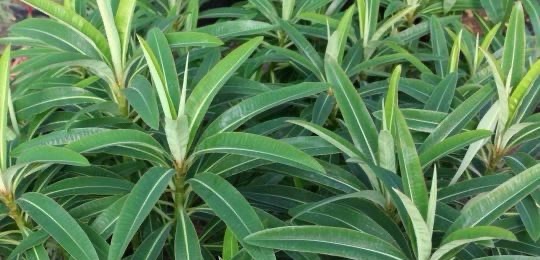
Euphorbia mellifera
This impressive semi evergreen shrub is native to Madeira and the Canary Islands. It is very versatile and can grow up to 2m in height and width if allowed in ideal conditions. Also it lends itself to back boarders, as a canopy for other plants, as well as in partial shade where it produces a more open elegant look. It can survive light frosts, they can look terminal as the leaves fold back, but the will recover when the temperature rises again.
This architectural shrub is a must in any tropical styles garden. Caution though as the sap can be an irritant, so wear gloves when pruning.
———————————————————————————————————————-
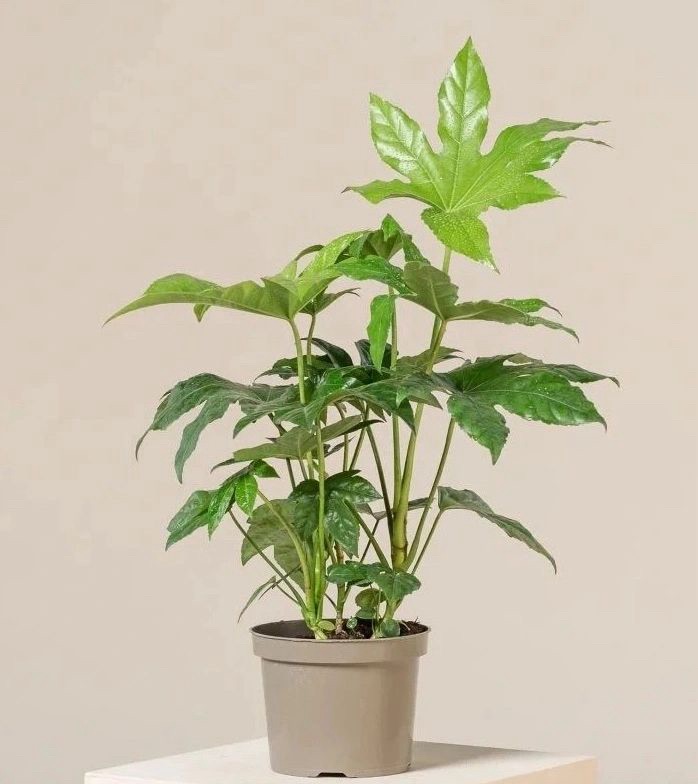
Fatsia japonica
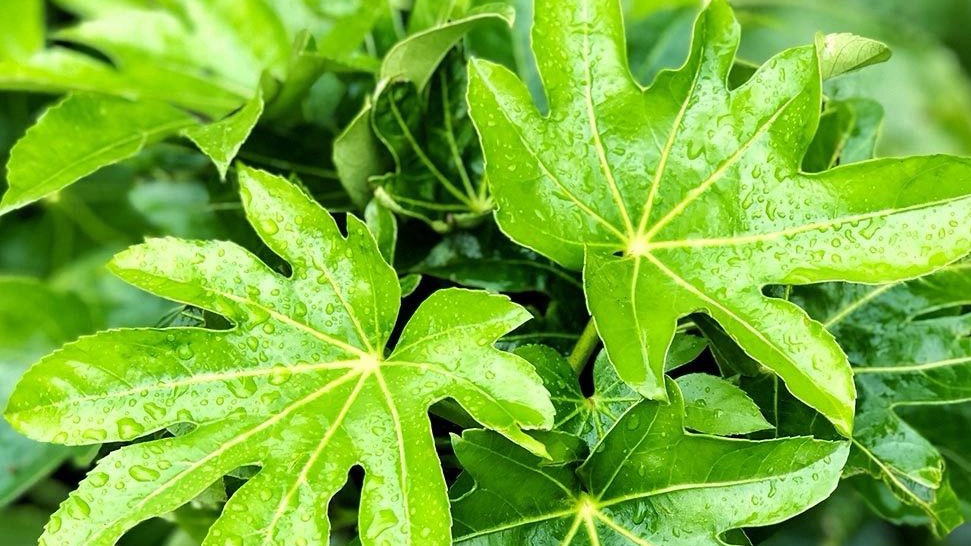
This shrub is native to Japan and Korea, with a RHS merit award. They are robust growing plants once established, with an amazing glossy leaf structure and equally impressive show of flowers and berries that start to show in autumn through to spring. It can be kept as a small shrub or a stand alone tree, producing a wonderful over head canopy. Leaves can span up to 30cm wide. They like soil that is damp but not waterlogged.
——————————————————————————————————————————
 cornishmaidplants.com